ABOUT US
Know Who We Are
The Need
Château is a rural, mountainous community of approximately 12,000 residents located in Southern Haiti. Despite being only about 20 miles from Les Cayes, Haiti’s third largest city, access to the area is limited by unpaved roads, difficult terrain, and periodic security disruptions. Households rely primarily on subsistence agriculture and informal labor, with high levels of poverty, food insecurity, and limited access to public services.
Key health and social challenges include:
- Limited access to clean, reliable drinking water
- High prevalence of diarrheal disease, respiratory illness, and malnutrition
- Low utilization of prenatal and postnatal care
- Chronic food insecurity among school-aged children
- Long distances to health facilities and poor transportation options
Despite these challenges, Château has a strong tradition of community leadership, volunteerism, and mutual aid, which is central to CORRECT’s approach.
Our History
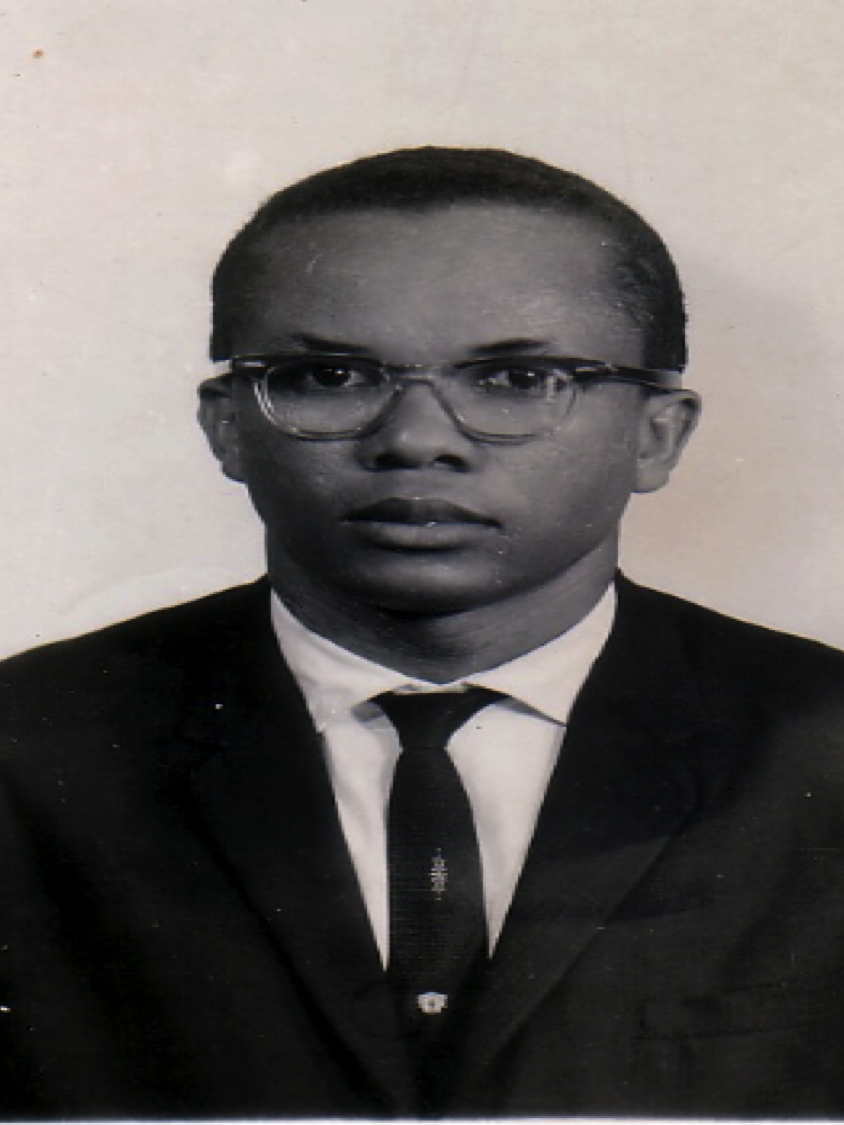
Before the 1960s, there were no paved roads in Château. Access to hospitals required hours of walking. Many critically ill residents died before reaching care.
In 1994, Brother Enel Clérismé and community leaders formed CORRECT to address health, education, agriculture, and infrastructure challenges.
A small clinic was built in 1997 but could not open due to lack of resources.
In 1998, members of the Haitian diaspora mobilized support in the United States.
In 1999, the clinic opened.
In 2002, CORRECT Health in Haiti, Inc. was formally incorporated as a nonprofit.
Today, the clinic is solar-powered, equipped with a laboratory, and staffed by trained professionals serving thousands annually.
Our Mission
CORRECT Health in Haiti partners with rural communities to improve health, dignity, and opportunity through access to essential care, clean water, nutrition, and community-led health solutions.
Our Vision
We envision a thriving community where every person has access to clean water, quality healthcare, adequate nutrition, and health education — supported by locally-led initiatives that ensure lasting impact for generations to come.
